
March 19, 2026
jdowdins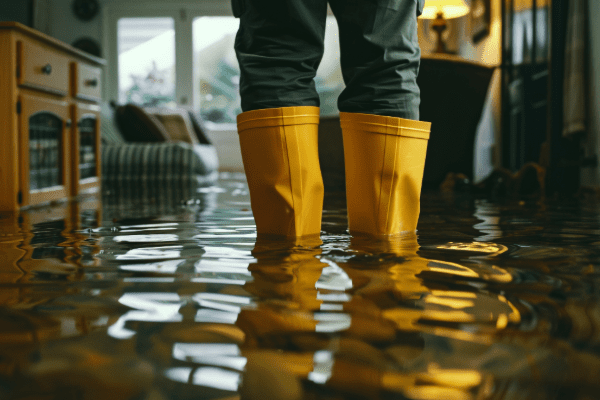
Why Flood Awareness Matters for Homeowners
When most homeowners think about natural disasters, floods usually aren’t the first thing that comes to mind. In the Texas Hill Country, we often worry more about hailstorms, high winds, or wildfire. But the truth is, flooding is the most common and costly natural disaster in the United States, and it can happen almost anywhere.
That’s why Flood Awareness Month is such an important reminder for homeowners to take a closer look at their flood risk—and their insurance coverage.
Flooding Happens More Often Than People Think
One of the biggest misconceptions about flooding is that it only affects homes in designated flood zones. In reality, flooding can happen almost anywhere heavy rain overwhelms drainage systems, creeks overflow, or flash floods develop.
And here’s a surprising statistic: over 20% of flood insurance claims come from properties outside high-risk flood zones.
That’s especially relevant in Central Texas, where intense storms can quickly cause flash flooding. In fact, flash floods develop rapidly—sometimes within just a few hours of heavy rainfall—leaving little time to react.
Even a small amount of water can cause serious damage. Just one inch of water inside a home can lead to thousands of dollars in repairs, damaging flooring, drywall, electrical systems, and personal belongings.
The Coverage Gap Many Homeowners Don’t Realize Exists
Another common misunderstanding is that a standard homeowners insurance policy covers flood damage.
Unfortunately, it typically doesn’t.
Most homeowners policies cover things like fire, wind, hail, and certain types of water damage—but flooding caused by rising water or flash floods is specifically excluded.
That means if floodwaters enter your home, the repairs could come entirely out of pocket unless you have a separate flood insurance policy.
This coverage gap is one reason flood insurance is often overlooked. Nationwide, nearly every U.S. county has experienced flooding, yet only about 4% of homeowners carry flood insurance.
What Flood Insurance Typically Covers
Flood insurance is designed specifically to protect your property from damage caused by rising water. Depending on the policy, it may cover:
- Structural damage to your home
- Electrical and plumbing systems
- HVAC equipment and water heaters
- Major appliances
- Flooring and built-in cabinetry
- Personal belongings (if contents coverage is included)
For homeowners in areas prone to heavy rain or flash flooding—like many communities throughout the Texas Hill Country—this protection can make a huge financial difference after a storm.
Simple Steps to Reduce Flood Risk
While insurance is an important safety net, there are also practical steps homeowners can take to help minimize flood damage:
- Keep gutters and drainage areas clear of debris
- Elevate utilities and important equipment when possible
- Store valuables and important documents in waterproof containers
- Pay attention to local flood alerts and weather warnings
- Know evacuation routes if flash flooding occurs
Preparation can’t stop a storm, but it can make recovery much easier.
Protect Your Home Before the Next Storm
Flood Awareness Month is a great reminder that flooding isn’t just a coastal problem—it’s a real risk for homeowners throughout Central Texas.
The good news is that understanding your flood risk and exploring flood insurance options can provide valuable peace of mind. When severe weather hits, knowing your home and finances are protected makes all the difference.
If you’re unsure whether flood insurance makes sense for your home, the team at Dowd Insurance Agency is always happy to help review your coverage and answer questions.
Categories: Blog
Tags: Flood Insurance, Home Insurance